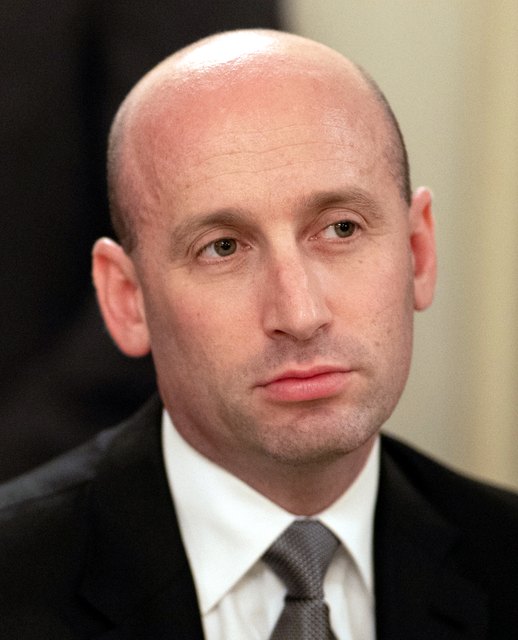
Menachem Yisrael Gantz
Head of the Mateh Binyamin Regional Council and chairman of the Yesha Council
Menachem Yisrael Gantz, commonly known as Yisrael Gantz and also rendered in English as Israel Ganz, is an Israeli public official who heads the Mateh Binyamin Regional Council and chairs the Yesha Council. His career developed through local government: from council member and deputy head responsible for physical development to the leadership of one of Israel’s most prominent regional councils and the umbrella organization representing Jewish settlement leadership in Judea, Samaria and the Jordan Valley.
Gantz’s influence lies in the connection between the everyday administration of communities and national public policy. His positions involve development, coordination among authorities, representation of residents and advocacy before national decision-makers. They place him at the meeting point of municipal service, practical Zionism, national politics and the continuing debate over the future of Judea and Samaria.
Early life, education and military service
Gantz was born on March 5, 1978, to Rabbi Haim Gantz and psychologist Yemima Gantz. His father was among the founders of the Shavei Hebron Yeshiva and later became head of the Ma’ale Eliyahu Yeshiva in Tel Aviv. Gantz spent his early childhood in Yamit in the Sinai Peninsula. After Yamit was evacuated, his family moved to Kiryat Arba, where he lived for many years. Growing up in a family displaced from one community and resettled in another formed part of the personal and social setting in which his public path developed.
He attended the Jerusalem Yeshiva for Young Men and later entered a hesder program associated with the Dimona–Mitzpe Ramon yeshiva. During his Israel Defense Forces service, he served as a combat soldier and commander in the Givati Brigade. Afterward, he studied for approximately eight years in a dayan training kollel in Psagot, the Binyamin community where he made his home.
Alongside his religious studies, Gantz acquired formal training in economics and management. He earned a bachelor’s degree in economics and business administration from Ariel University and a master’s degree in business administration, specializing in finance and strategy, from the Hebrew University of Jerusalem. This combination of religious study, military command and management education prepared him for public work involving budgets, planning and long-term development.
From community activity to Binyamin’s leadership
Gantz joined the Mateh Binyamin Regional Council plenum in 2007. He served on the council’s executive, the board of the Binyamin community-center network and its tenders committee. His earlier professional experience also included project management for the Elad organization and work as an assistant to David Be’eri.
In 2013, council head Avi Roeh appointed him deputy and acting head of the Mateh Binyamin Regional Council. Gantz was given responsibility for physical development, an area with a direct bearing on a community’s ability to expand, absorb families and provide public infrastructure.
Implementing the establishment of Amichai
One of his most clearly documented assignments in that role was managing implementation of Israeli Government Decision 2583, which provided for the establishment of Amichai for families evacuated from Amona. Creating a new community required translating a government decision into planning and implementation while coordinating among state agencies, the regional council and residents. His part in the process illustrates the kind of work that marked his rise in local government: connecting national policy with practical community needs.
Head of the Mateh Binyamin Regional Council
In the municipal elections held on October 30, 2018, Gantz defeated Shilo Adler and was elected head of the Mateh Binyamin Regional Council. In 2024, he secured another term as the sole candidate. The position placed him at the head of a large regional authority encompassing numerous communities and responsible for development, education, community life and municipal services across a broad geographic area.
In this setting, a council head’s work extends beyond the internal administration of a local authority. Building plans, transportation and infrastructure in Judea and Samaria frequently depend on government decisions and national planning bodies. The role therefore requires sustained representation of residents before central government. Gantz consequently became a prominent advocate for the needs of Binyamin’s communities and for the settlement policy he represents.
Chairman of the Yesha Council
On May 6, 2024, Gantz was chosen to succeed Shlomo Ne’eman as chairman of the Yesha Council. The council serves as an umbrella body for the leadership of Jewish local authorities and communities in Judea, Samaria and the Jordan Valley. Its chairman works to coordinate positions among municipal leaders, represent their interests before the government and Knesset, and participate in public discussion concerning settlement, security, infrastructure and policy.
The appointment expanded Gantz’s sphere of activity from Binyamin to the national arena. It also gave institutional weight to his experience in municipal government. Rather than addressing policy only as an abstract question, he brings the needs of residents and the practical demands of administering communities into national debate. This has made him an influential representative of the settlement public and an important interlocutor between its local leadership and the institutions of the state.
Emergency volunteering and family life
Alongside his elected positions, Gantz has volunteered for years as a medic and ambulance driver with Magen David Adom and as an emergency responder with United Hatzalah. This work represents a direct form of community service: providing immediate medical assistance to people in distress, often before additional emergency teams arrive. He also practices jujutsu and holds a black belt.
Gantz is married to Tehila, née Regev, and they have seven children. The family lives in Psagot in the Binyamin region. His extended family has longstanding connections to religious education and the rabbinical court system, while his own career combines that religious background with training in economics, strategy and public administration.
Impact on communities and Israeli public life
Gantz’s principal contribution has been the development of institutional capacity for the communities he represents. Regional planning, implementation of a new community for evacuated families, coordination among local leaders and representation before government all have tangible effects on where people live, the services available to them and the ability of communities to endure and grow.
This activity also belongs to the broader history of modern Israel. Jewish settlement in Judea and Samaria is, for many Israelis, an expression of faith, identity and practical Zionism; it is also the subject of profound political and diplomatic disagreement. Through Gantz’s offices, a particular vision of settlement is translated into institutions, plans and municipal and political action. His public importance therefore rests not only on the titles he holds, but on the role those institutions play in the lives of residents and in Israel’s national debate.
Editorial note on inclusion
Yisrael Gantz is included on the site even though he and his public record are controversial among broad sections of the public. Inclusion does not determine whether his influence is positive or negative; it reflects the significant place he holds in shaping the lived experience, culture and way of life of the public. Naturally, some regard this activity as positive and even heroic, while others see it as contrary to their worldview. The existence of these opposing assessments is itself part of the historical record that justifies including this significant and influential figure in the heritage of the Jewish people.
Why Menachem Yisrael Gantz belongs in Moreshet
Gantz merits documentation because his career demonstrates how local leadership can shape national realities. From service in the Mateh Binyamin council, through responsibility for physical development and the implementation of Amichai, to leading the regional council and the Yesha Council, he has worked through institutions that materially affect Jewish communities and the character of contemporary Israeli society.
Moreshet records his story on Moreshet.com not as a verdict on Israel’s political debate, but as part of an accurate account of the leaders, institutions and ideas that have shaped modern Jewish settlement and Israeli public life. His combination of community service, municipal administration and national representation gives his career lasting relevance to the study of contemporary Jewish and Israeli heritage.