Leslie Wexner
A Jewish entrepreneur and philanthropist who built a retail empire and invested in Jewish life and culture
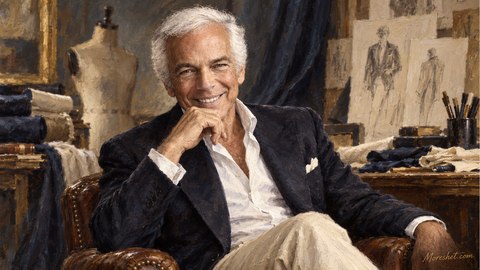
Leslie Wexner, born on September 8, 1937, is an American Jewish entrepreneur, business leader, and philanthropist. He began with a $5,000 loan and built it into a vast retail empire. Alongside his commercial achievements, Wexner directed substantial resources toward Jewish life, leadership development, and the arts, extending his influence well beyond the marketplace.
From a Small Business to a Retail Empire
Wexner founded Limited Brands, a company that grew from fashion retail into a major group of recognizable brands. Its development included Victoria’s Secret and Bath & Body Works. This achievement reflected not only his ability to recognize consumer trends, but also his skill in building large-scale retail businesses around distinctive brands that reached a broad public.
The transformation of modest initial capital into a major presence in retail made Wexner a prominent figure in American business. The brands associated with his enterprise helped shape the country’s fashion and shopping culture and became familiar parts of everyday life for many consumers.
Investment in Jewish Life and Leadership
Wexner is also a major philanthropist in support of Jewish initiatives. He established the Wexner Foundation to support work connected with Jewish life and to strengthen the ability of leaders and organizations to serve their communities over time. His philanthropy therefore focused not only on individual gifts, but also on developing the knowledge, leadership, and institutional capacity needed for enduring communal work.
The foundation reflects an understanding that the future of a community depends in part on the people who lead it and on their ability to respond to changing circumstances. Through this work, Wexner extended his impact from the business world into Jewish communal life.
Art, Memory, and Culture
Wexner established the Wexner Center for the Arts, named in honor of his father. The institution reflects the importance he places on art in public life and his desire to commemorate his father through sustained support for culture and creative work. The connection between family memory and a public cultural institution gives this philanthropy both a personal and civic dimension.
His support for the arts, alongside his support for Jewish initiatives, presents a broad philanthropic vision: strengthening communities, cultivating leadership, and expanding access to culture and artistic expression.
Why this legacy belongs in Moreshet
Leslie Wexner merits inclusion in the archive because his life connects entrepreneurship, institution-building, and Jewish philanthropy. He turned a $5,000 loan into a retail enterprise associated with brands of international reach, while also establishing the Wexner Foundation and the Wexner Center for the Arts. These institutions represent lasting contributions to Jewish leadership, communal life, and culture.
For Moreshet and Moreshet.com, Wexner’s significance lies not only in the scale of his business success, but also in the way he directed private achievement toward Jewish initiatives and cultural institutions. His legacy illustrates how entrepreneurship and philanthropy can shape communities, cultivate leaders, and create institutions whose work continues beyond the founder’s own career.