Gaby Aghion
The founder of Chloé who pioneered luxury ready-to-wear and helped make relaxed elegance a defining force in modern fashion
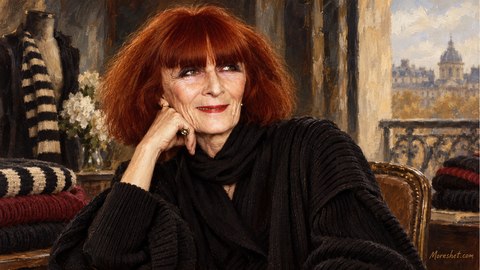
Gaby Aghion (March 3, 1921 – September 27, 2014) was a French fashion entrepreneur and designer who founded the fashion house Chloé in 1952. At a time when luxury fashion was largely associated with rigid, expensive and individually tailored garments, she proposed a different model: elegant, accessible and comfortable clothing produced in finished collections for everyday life.
That idea, later recognized as luxury ready-to-wear, changed the relationship between haute couture and the wider public. Aghion did not abandon quality, style or sophistication, but she sought to move women's clothing away from the heavy formality and restrictive silhouettes that characterized much of the period's fashion. In doing so, she helped define a new aesthetic—feminine, free, elegant and effortless.
Chloé and the Rise of Luxury Ready-to-Wear
When Aghion established Chloé, she recognized a significant change in women's lives and expectations. Women wanted beautifully made and carefully designed clothing, but they also needed garments in which they could move, work and participate fully in everyday life. The house was built around the conviction that fashion did not have to choose between luxury and practicality.
Aghion's approach was innovative not only commercially but culturally. She broadened the audience for luxury fashion and helped make finished garments an important part of the design conversation. Instead of waiting for a bespoke creation and repeated fittings, a customer could choose from contemporary collections that offered high-level design and quality while fitting the pace of modern life more closely.
A Home for Exceptional Designers
One of Aghion's most important achievements was her ability to make Chloé a setting in which talented designers could develop distinctive creative voices. During the house's development, designers who became major figures in fashion worked within its orbit, including Karl Lagerfeld. Chloé later also served as an important platform for the careers of designers such as Stella McCartney and Phoebe Philo.
This influence extended beyond the collections produced under the Chloé name. Aghion created a design institution that shaped generations of creators and demonstrated how a fashion house could cultivate talent, develop a recognizable identity and connect the traditions of luxury with innovation. Her legacy therefore lies both in the garments associated with Chloé and in the people who received an influential professional platform there.
An Influence on Women and Modern Culture
Aghion's innovation was not merely technical or commercial. It reflected a changing image of the woman who wore the clothes: not someone required to adapt herself to a rigid garment, but an active and independent person with her own taste, for whom clothing should support rather than restrict her life. The elegant, relaxed fashion she promoted helped establish that women's clothing could combine beauty, comfort and freedom of movement.
The model she developed became an important foundation for the growth of the luxury ready-to-wear industry and for the central place of designer fashion in everyday culture. It influenced how women shop for clothing, how fashion houses present their work and how designers balance creative expression with commercial production.
Why Gaby Aghion’s Legacy Belongs in Moreshet
Gaby Aghion merits inclusion in Moreshet because her work stood at a significant intersection of entrepreneurship, design and social change. By founding Chloé, she helped turn luxury ready-to-wear from a new concept into a central force in modern fashion, offering women a new combination of elegance, comfort and freedom.
Her importance is also evident in her influence on the design world and in the opportunities her fashion house provided to designers who went on to shape international fashion. Alongside the histories of Jewish and Israeli life, Moreshet.com preserves the stories of creators and entrepreneurs who helped form the wider culture in which communities live and work. Aghion's story shows how one practical idea—luxury designed for everyday wear—could transform an entire industry and leave an influence extending far beyond its originator's generation.