The Kibbutz Contemporary Dance Company
An Israeli dance institution that made Kibbutz Ga'aton a center of creation, training and cultural life
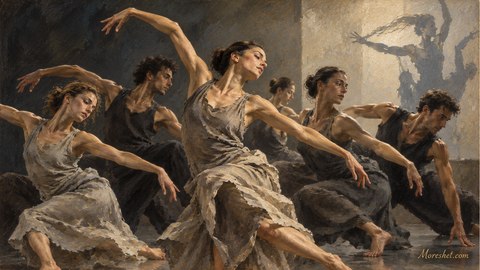
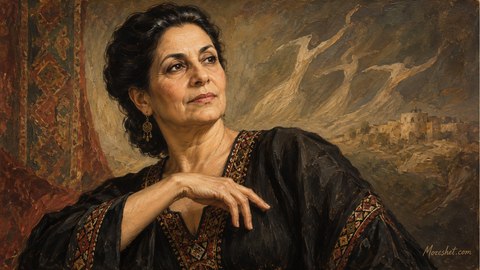
The Kibbutz Contemporary Dance Company is one of the institutions most closely associated with Israeli dance and with the possibility of developing professional art within a kibbutz setting. Founded in 1970 by Yehudit Arnon—Holocaust survivor, dancer, choreographer and Israel Prize laureate—the company was shaped by her leadership as artistic director until 1996. Choreographer Rami Be'er joined the troupe in 1980 and has served as its artistic director since 1996, guiding a later period of artistic development.
The company's importance extends beyond its performances. For decades it has served as a home for choreographers and dancers, a training ground for artists and a center for dance education. Its work connects kibbutz life, Israeli culture and contemporary dance, demonstrating how ambitious professional art can grow outside the country's major urban centers.
From Ga'aton to the dance stage
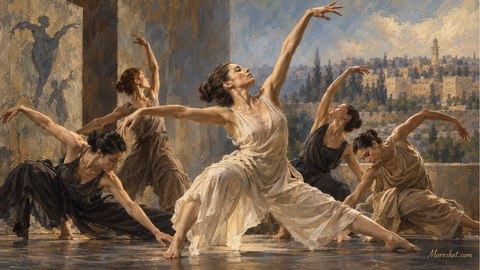
The company is based at the Dance Village on Kibbutz Ga'aton in Israel's western Galilee. The village offers movement and dance education for all ages, hosts dance events and gatherings, and is home to a dance school. Together, these activities create a broad cultural environment: a professional company, an educational institution, a local community and a space where audiences and artists can meet.
The connection between the company and the kibbutz was especially strong in its early years. Originally known as the Inter-Kibbutz Dance Company, it was made up of kibbutz members who came together for rehearsals and performances under relatively modest conditions. The troupe relied exclusively on choreography by Israeli creators. This reflected both a commitment to independent cultural creation in Israel and the financial limitations of the period; in practice, it also helped build a local artistic language and provide a platform for Israeli choreographers.
Israeli creation and artistic development
Among the creators active with the company during its early years were Yehudit Arnon, Ofra Eshmon, Hadas Oren and Ashera Elka'im-Ronan. Some of the early work drew on expressive dance, a style that had been prominent in Israel until the mid-1950s. Within the company's kibbutz framework, choreographers and dancers could develop original work, explore movement and expand the place of dance in Israeli cultural life.
In 1994, a second ensemble, Kibbutzit 2, was added to address a younger audience. Its works included Peter and the Wolf, Carnival of the Animals, Kibbutzit 360 and Stories from Before. This initiative broadened access to dance and gave children and young people an approachable encounter with movement, music, imagination and theatrical storytelling.
The company also became an important starting point for dancers and choreographers. Former dancers include graduates of the television program Born to Dance, among them Shai Peratosh, Itay Frey and Lotem Ragav. The dancer-choreographer couple Liati Dror and Nir Ben Gal also began their careers with the troupe. These examples show the company's role not only as a performing ensemble but as a professional framework in which emerging artists could gain experience, develop an artistic identity and move on to independent work.
Repertoire and cultural memory
Over the years, the company developed a repertoire remembered by its audiences. Notable works listed among its creations include Death Comes to the Tree of Michael, The Watcher of the Veil and Between Sacred and Profane. Together, these titles suggest the range of the company's contemporary dance: the exploration of images, the tension between different worlds and questions of identity, community and human experience.
Under the leadership of Yehudit Arnon and Rami Be'er, the company combined continuity with change. Arnon established its artistic and organizational foundations and made Ga'aton a home for dance. Be'er, who joined the company during its formative years, continued to develop its artistic direction as artistic director from 1996. Alongside the artists, the company maintained professional administration; the supplied material identifies Amira Taomi, daughter of actor Oded Teomi, as its chief executive officer.
Why the Kibbutz Contemporary Dance Company belongs in Moreshet
The Kibbutz Contemporary Dance Company merits a place in the heritage archive because it represents an important chapter in Israeli culture: professional artistic creation built within a kibbutz, in the western Galilee, and developed into a dance institution with lasting significance for creators, dancers and audiences. It advanced Israeli choreography, created frameworks for performance and training, and made the Dance Village at Ga'aton a center of cultural and educational activity.
Its legacy can also be seen in the people who passed through its studios and in the audiences it brought into contact with dance. The combination of company, school, community and youth programming shows how an arts institution can shape everyday cultural life as well as the professional stage. For these reasons, the company is part of the story of Israeli culture and of the kibbutz movement's contribution to cultural development. Moreshet and Moreshet.com present it here not simply as a performing troupe, but as a living institution that built a foundation for artistic creation, education and cultural continuity.