Salomon Maimon
An independent thinker bringing Jewish learning into a central philosophical debate
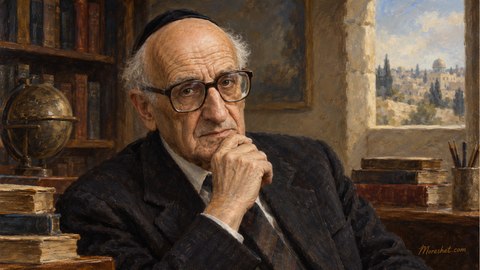
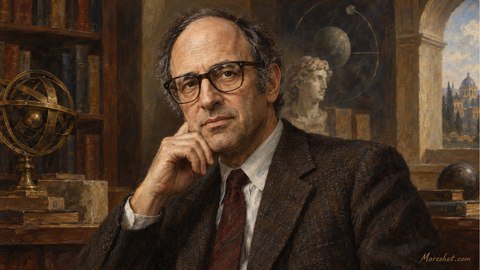
Salomon Maimon (1753–1800) traveled from Eastern European Jewish learning into the philosophical debate generated by Kant. His difficult, unconventional life did not prevent him from becoming a penetrating reader and critic. He demonstrated that an independent thinker without a secure academic position could pose questions taken seriously by leading philosophers.
An education pursued through persistence
Born Shlomo ben Joshua in what is now Belarus, Maimon excelled in Talmudic study. Encountering Maimonides opened a further world of philosophical investigation; he adopted the name Maimon in admiration. Language study and travel brought him to German-speaking lands and into contact with Moses Mendelssohn’s circle.
Asking how knowledge becomes possible
In his Essay on Transcendental Philosophy, published in 1790, Maimon examined Kant’s account of knowledge. He asked how the understanding’s concepts apply to what experience provides and how that relationship can be justified. His criticism sought to sharpen the problem rather than simply dismiss a system. Kant acknowledged his intellectual acuity without accepting his conclusions.
Maimon also wrote in Hebrew. His autobiography describes the studies, communities and journeys that shaped him, offering an unusually direct view of a life moving between linguistic and intellectual traditions during the Enlightenment.
Why this legacy belongs in Moreshet
Moreshet includes Maimon for independent reasoning that became a significant scholarly contribution. Moreshet.com records how analytical habits developed through Jewish learning entered European philosophical discussion. His legacy also demonstrates that intellectual achievement can emerge from social marginality when curiosity and precision persist despite difficult circumstances.