Raphael Lemkin
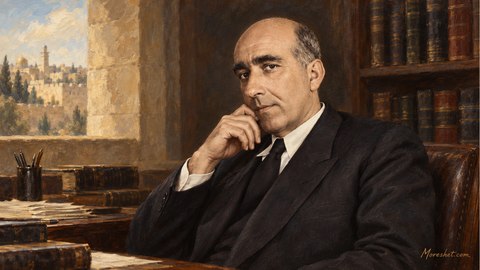
Raphael Lemkin coined the term "genocide" and led the campaign that resulted in the adoption of the Genocide Convention in 1948, helping shape international human-rights law and the response to mass extermination.
Raphael Lemkin was a jurist and thinker who worked to transform the destruction of peoples from an atrocity recorded after the fact into a crime that international law could name, condemn and seek to punish. His most distinctive contribution was coining the term "genocide" and leading the effort that resulted in the adoption of the Genocide Convention in 1948.
Giving a name to the destruction of peoples
Lemkin's contribution was more than the creation of a new word. By defining genocide as a distinct phenomenon, he gave legal and public debate a framework for identifying mass extermination and discussing the responsibilities it creates. The term helped place the destruction of peoples at the center of international conversations about human rights and the protection of threatened communities.
From moral recognition to international law
Lemkin did not stop at describing the crime. He advocated its formal recognition and pursued an international legal framework through which genocidal acts could be condemned and punished. His efforts contributed to the adoption of the Genocide Convention in 1948, a landmark that gave states and international institutions a common basis for recognizing genocide and demanding accountability.
The achievement reflected a practical understanding of human rights. Moral declarations alone could not protect endangered populations; they required precise language, legal rules and institutions capable of enforcing responsibility. Lemkin helped connect those elements, turning an urgent moral concern into an international legal undertaking.
A lasting influence on human-rights law
Lemkin's work left a lasting mark on the law and language of human rights. The concept he introduced became a central tool for identifying and discussing the destruction of peoples and for examining responsibility for such crimes. His legacy also lies in insisting that the suffering of threatened communities must be recognized and confronted, not merely documented after the catastrophe.
His influence therefore belongs both to legal history and to the protection of human communities. Through a concept, a sustained campaign and an international convention, Lemkin helped create a vocabulary and a set of tools through which the world could demand recognition of genocide and action against those responsible.
Why Raphael Lemkin belongs in Moreshet
Raphael Lemkin merits inclusion in Moreshet because he helped change how humanity understands one of the gravest crimes against peoples and communities. Coining the term "genocide" and leading the campaign for the Genocide Convention in 1948 were both intellectual and practical achievements. They influenced international law, human-rights discourse and the possibility of demanding recognition and punishment for genocidal acts.
Moreshet.com preserves Lemkin's place in a broader heritage of human responsibility: he helped turn moral protest into a legal framework and gave the world language and tools for confronting the destruction of peoples. His legacy remains a significant chapter in the history of human dignity, the protection of minorities and the responsibilities of international institutions.