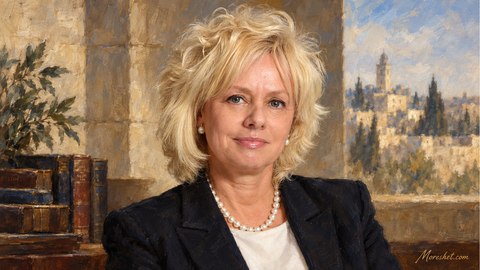
Judith Sheindlin
A judge who brought the language of justice into everyday television
Judith Sheindlin, born on October 21, 1942, is widely known as Judge Judy. She combined a legal career with a long-running television presence, bringing disputes and questions of justice before a broad public. Her direct, practical manner and firm emphasis on responsibility made her a highly recognizable public figure.
From the courtroom to television
Sheindlin broke professional barriers in the legal field and was among the first women to serve as criminal court judges in New York. Her judicial work gave her direct experience with cases, disputes and the human consequences of legal decisions.
She later became a central television personality through her long-running program, which presented legal disputes in a format accessible to mass audiences. The combination of legal authority, clarity and an uncompromising style helped make justice a subject of everyday public conversation rather than something encountered only inside a courtroom.
Public influence and recognition
Sheindlin's television success made her a household name and brought her widespread recognition and multiple awards. Her importance extends beyond popularity. She demonstrated how legal knowledge and professional experience could reach millions through popular culture, and how a woman occupying a position of authority could anchor a successful television format.
Her legacy therefore rests in two connected arenas: the law, where she helped open the way for women in criminal-court judging, and communications, where she made discussion of justice, accountability and judgment more accessible to the public.
Why this legacy belongs in Moreshet
Judith Sheindlin merits inclusion in Moreshet because her work joined legal service, professional barrier-breaking and broad cultural influence. She showed how the law can shape public language and how principles of justice can be communicated to audiences far beyond the courtroom. For Moreshet.com, her story represents a figure who influenced public perceptions of women in authority, legal professionalism and practical discussions of justice.