Abe Fortas
U.S. Supreme Court Justice and advocate for individual rights
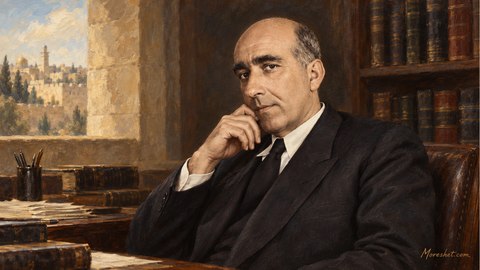
Abe Fortas (June 19, 1910–April 5, 1982) was an American jurist who served as an Associate Justice of the United States Supreme Court from 1965 to 1969. His public and judicial work focused on protecting individual rights and preserving fair criminal procedure. He was among the figures who helped shape American debate about the limits of government authority and the protection of personal privacy.
On the Supreme Court: Individual Rights and Criminal Procedure
During his tenure on the Supreme Court, Fortas took part in landmark decisions that expanded individual rights, particularly in the areas of criminal procedure and privacy. Decisions in these fields do more than resolve individual disputes. They establish how law-enforcement authorities and courts must treat people, their liberties and their legal protections.
Fortas’s contribution therefore formed part of a broader effort to strengthen the principle that meaningful legal protection is essential to a functioning system of justice. In this way, his work helped shape a legal legacy that affected individuals and influenced the balance between public authority and civil rights.
Public Service and Presidential Counsel
Alongside his judicial career, Fortas advised President Lyndon B. Johnson on important domestic and foreign affairs. This role placed him at the intersection of law, public policy and national leadership, reflecting the breadth of his experience and his importance in high-level public decision-making in the United States.
His movement between senior public service and the Supreme Court gave Fortas a broad perspective on the relationship among government institutions, civil rights and public responsibility. Although his Supreme Court tenure lasted only a few years, the questions he addressed remain central to democratic society.
Why this legacy belongs in Moreshet
Abe Fortas merits inclusion in Moreshet because he worked in a field where legal decisions shape daily life and a society’s understanding of justice. His contribution to expanding individual rights in criminal procedure and privacy, together with his service as a presidential adviser on important domestic and foreign matters, places him within the history of American law and public leadership. Recording his work on Moreshet.com preserves the story of how the decisions of a jurist and public servant can influence institutions, communities and the practical protection of human freedom.