Yehuda Ouzi
The restaurateur who turned a neighborhood grill into a recognizable Israeli brand
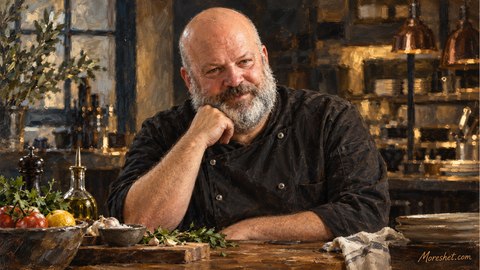
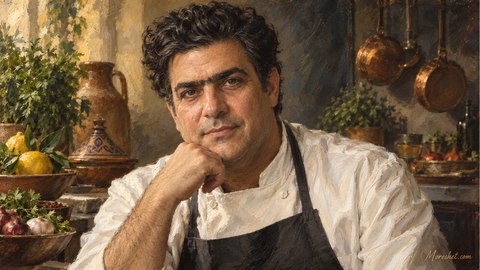
Yehuda Ouzi was an Israeli restaurateur who, in 1970, opened a grill restaurant bearing his name in Tel Aviv's Hatikva neighborhood. Serving meats and salads, the restaurant became successful and helped make “Ouzi” a recognizable name in Israeli dining. About two decades later, the restaurant and the rights to the name were acquired by a group of entrepreneurs, who expanded the venture into a restaurant chain.
From a Hatikva neighborhood restaurant to a national chain
Ouzi's story reflects the transformation of a local food business into a broader consumer brand. The original restaurant operated in the heart of Hatikva and offered an accessible grill-house meal built around meat, salads, and informal restaurant service. Its success created a commercial foundation for expansion in the years that followed.
The chain developed around the Ouzi name operates 11 branches in Israel. According to the available material, its revenues reached approximately 110 million Israeli shekels in 2007. That scale illustrates how a culinary initiative that began with one restaurant became part of Israel's food industry, supported by nationwide operations, supply systems, and management on a considerably larger scale.
Brand protection, litigation, and business expansion
The brand's success also led to a legal dispute over the use of its name. In 2001, the owners of the restaurant chain asked the courts to prevent a newly opened Be'er Sheva restaurant called “Ouzi Hazahav” from using that name. They argued that “Ouzi” was a registered mark and that the name could mislead customers.
The District Court initially accepted the claim, but in 2006 the Supreme Court rejected it in its broader form. It held that the chain was entitled to protection for the name “Ouzi,” but not for every phonetic variation or combination based on it. “Ouzi Hazahav” was therefore permitted to continue using the name, provided that both words were displayed with equal emphasis and that the Hebrew vowel mark tzere, beneath the letter zayin, appeared wherever the name was used. The decision demonstrated the commercial value the brand had accumulated and the legal complexity involved in protecting a restaurant name as a business expands.
The chain has a central kitchen and logistics center in Yehud, infrastructure designed to support multiple branches and consistent operations. Three of its branches are kosher. The business also includes a fast-food subchain called “Ouzi TO GO,” operated on a franchise basis, extending the brand beyond the traditional grill-restaurant format.
Why Yehuda Ouzi's legacy belongs in Moreshet
Yehuda Ouzi merits inclusion in Moreshet because his work lies at the meeting point of entrepreneurship, food culture, and everyday Israeli life. The restaurant he opened in Hatikva in 1970 was more than a single business: it established the foundation for a brand that continued as a chain, developed substantial operational infrastructure, and adopted different forms of restaurant service, including kosher branches and a franchised fast-food subchain.
His lasting significance also appears in the way the name “Ouzi” entered Israel's commercial and legal landscape. The dispute over its use illustrated the power of a brand built over many years and the challenges of preserving a business identity during expansion. For Moreshet.com, Yehuda Ouzi's story records a chapter in Israeli culinary and entrepreneurial history: the passage from a neighborhood restaurant in Hatikva to a widely recognized chain that became part of the country's food-service industry and dining experience.