Jared Kushner
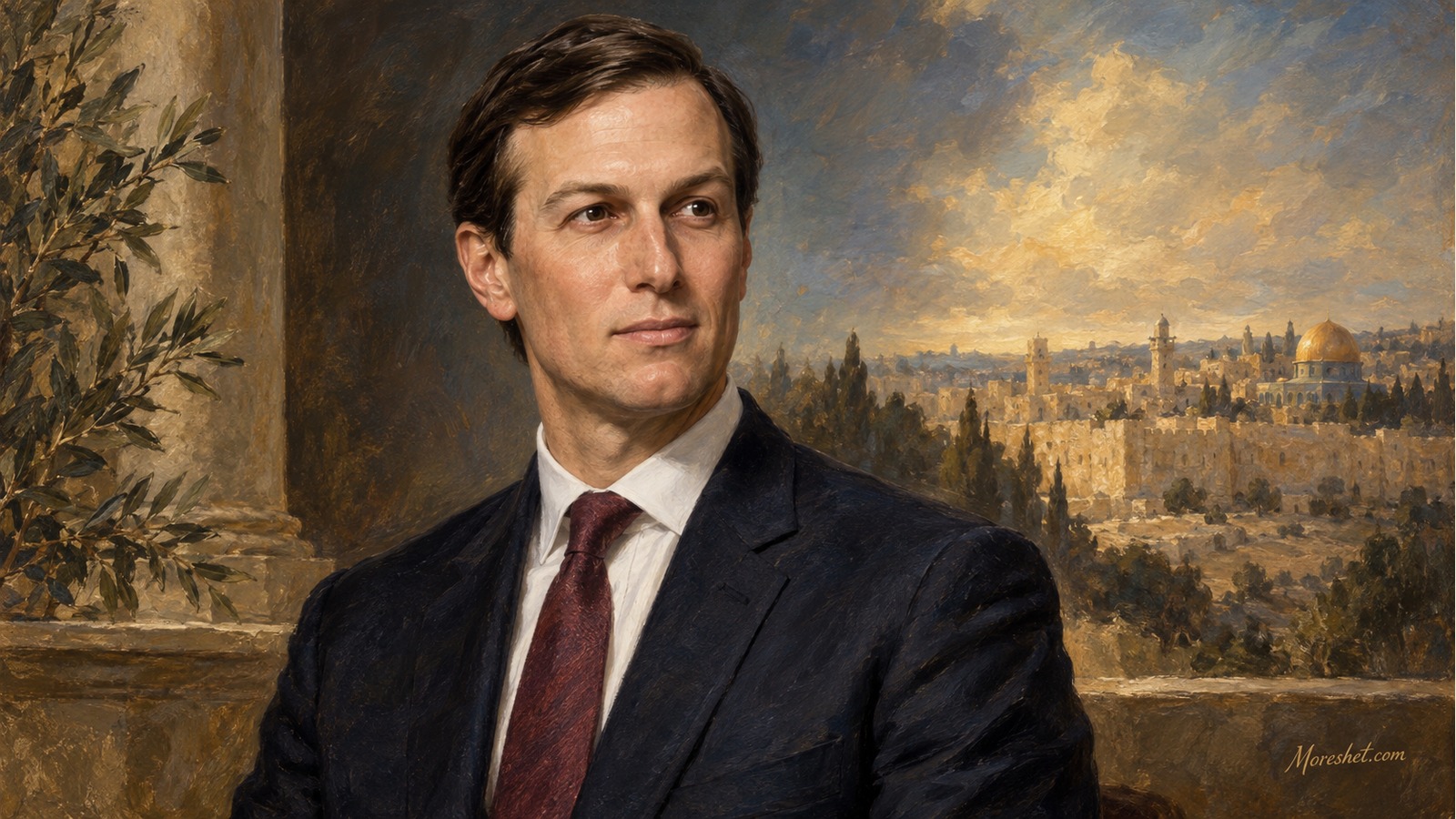
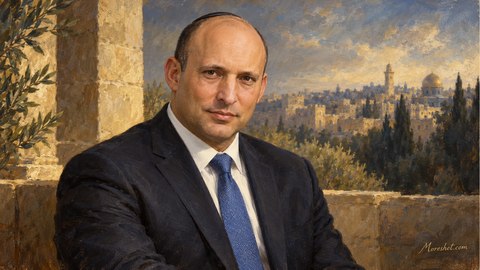
Jared Kushner — AI-generated artistic portrait · Moreshet.com 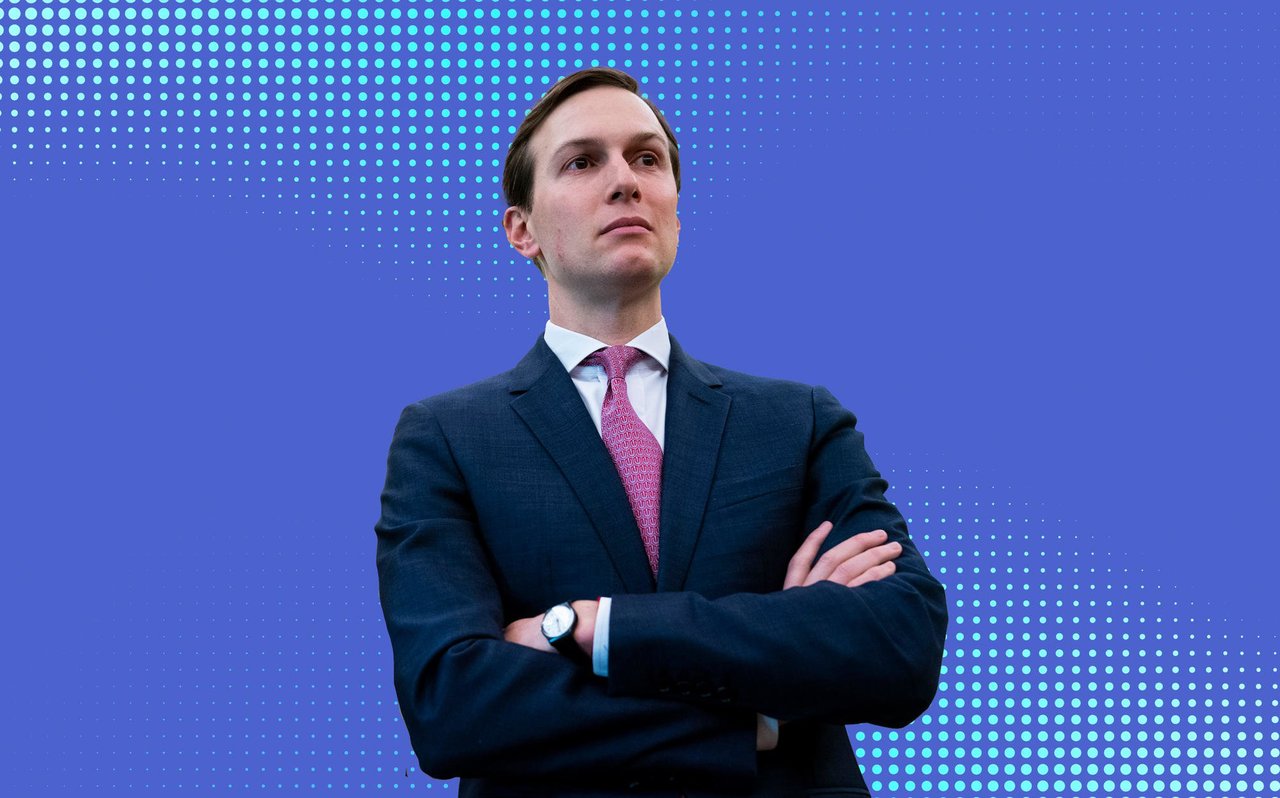
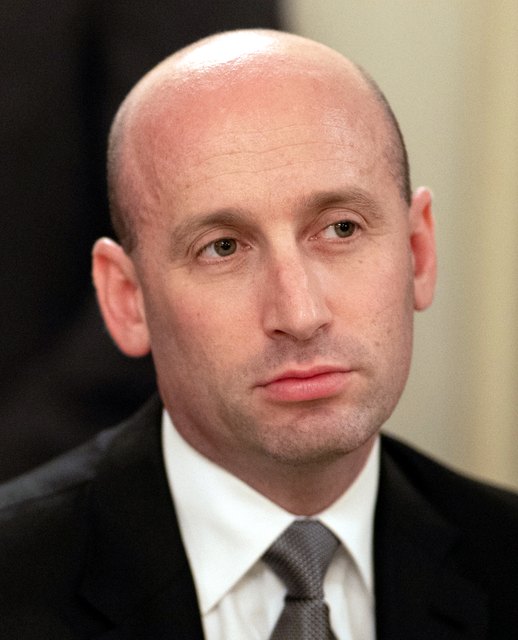
Jared Kushner — image from the Moreshet archive
Jewish-American businessman, investor and diplomatic adviser who became a central architect of the Abraham Accords and regional negotiation channels
Jared Corey Kushner is an American businessman, investor, real-estate entrepreneur and Jewish public figure who served as senior adviser to President Donald Trump from 2017 to 2021 and later returned to diplomatic activity in the second Trump administration. His public influence comes from an unusual combination: a Jewish-American real-estate family, exceptional proximity to the White House, a central role in the 2016 presidential campaign, involvement in domestic reform, and above all his work on Middle East diplomacy and the Abraham Accords.
Kushner is a controversial figure, but also one whose influence on the relations among Israel, the United States and Arab states is substantial. For a Jewish and Israeli heritage archive, his significance lies not only in his closeness to an American president, but in the fact that an observant Jewish man, descended from Holocaust survivors, played a visible and consequential role in shaping a major chapter of American policy toward Israel and the Middle East.
Family roots, Holocaust memory and Jewish education
Kushner was born on January 10, 1981, in Livingston, New Jersey, to Seryl and Charles Kushner. His family belongs to the Modern Orthodox Jewish community in the United States, and he was educated at the Frisch School, a Modern Orthodox yeshiva high school. His Hebrew name, Yoel Chaim, reflects his place within a Jewish family and communal tradition.
The Kushner family’s roots are directly connected to Holocaust memory. His paternal grandparents, Joseph and Rae Kushner, were Holocaust survivors from Navahrudak, in present-day Belarus, and immigrated to the United States after the war. According to the supplied research, Rae Kushner was among the figures who helped lead the escape from the Navahrudak ghetto through a tunnel and later joined the Bielski partisans. That history gave the family a founding story of survival, renewal and rebuilding in America.
Kushner studied at Harvard University, graduating with a degree in government, and later completed both a law degree and an MBA at New York University. This combination of Jewish education, elite academic training and early work in real estate shaped a path in which family, business, politics and Jewish identity became closely intertwined.
Business career and real estate
After his father Charles Kushner’s conviction in 2005 and legal difficulties, Jared Kushner took on a larger role in the family company, Kushner Companies. In his early years as a businessman, he was involved in major real-estate acquisitions in New York and elsewhere, including the 666 Fifth Avenue transaction, one of the most prominent and widely discussed deals in the American real-estate market.
Alongside real estate, he purchased The New York Observer in 2006. The acquisition marked his entry into New York’s world of media and public influence. Although his management of the newspaper drew criticism and encountered difficulties, it placed him in the arena where business, media, culture and politics meet.
In 2014 he co-founded Cadre, an online real-estate investment platform. Later, after leaving the White House, he founded Affinity Partners, a private investment firm that sought to connect international capital, emerging markets, American companies, regional relationships and investment in the Middle East. His business activity after public service reflects the continued pattern of his career: linking capital, regional policy and international business.
The 2016 campaign and entry into the White House
Kushner was deeply involved in Donald Trump’s 2016 presidential campaign. He helped especially with the campaign’s digital, social-media and online fundraising operations, a field that had become central to modern American politics. For someone who had not come from a traditional party background, his ability to enter the center of a winning presidential campaign made him an influential figure around the president-elect.
In January 2017 he was appointed senior adviser to the president and director of the new Office of American Innovation. These roles gave him direct access to the president and to a wide range of issues: government reform, technology, economic policy, foreign policy, trade agreements, the American criminal justice system and the Middle East peace process. The breadth of his portfolio and his family relationship to the president drew public debate, but in practical terms Kushner was one of the central figures around President Trump during the first administration.
Criminal justice reform: the First Step Act
One of the major domestic achievements with which Kushner was involved was the promotion of the First Step Act, signed in 2018. The law was a bipartisan reform of the American sentencing and prison system, including steps to reduce sentences in certain cases, improve rehabilitation programs for prisoners and encourage reductions in recidivism.
For Kushner, the issue also carried a personal dimension, because his father had served a prison sentence. Beyond that personal background, the reform was an example of building unconventional coalitions around a complex social issue. It brought together conservatives, liberals, religious organizations, civil-rights advocates and families of incarcerated people in an effort to make the penal system more practical and fair. In the context of public legacy, this is one area where his influence touched the lives of many Americans far beyond the Middle East or foreign policy.
The Abraham Accords and Israel’s regional diplomacy
The field most closely associated with Kushner is Middle East diplomacy. Trump assigned him a central role in shaping the administration’s policy toward the Israeli-Palestinian conflict and Israel’s relations with Arab states. In 2020 the Trump administration presented its peace plan, and the process that led to the Abraham Accords soon followed.
The Abraham Accords, signed at the White House in September 2020, created normalization between Israel and the United Arab Emirates and Bahrain, with Morocco and Sudan later joining the process. For Israel, the accords were a historic chapter: they widened the circle of open relations with Arab states, opened possibilities for trade, tourism, technology, security and regional cooperation, and changed some of the older assumptions about the sequencing of Middle East diplomacy.
Kushner worked alongside Avi Berkowitz, David Friedman, Robert O’Brien, Mike Pompeo and other American officials. His contribution lay especially in opening channels, building trust with regional leaders and intermediaries, understanding Gulf-state interests, and advancing the idea that relations between Israel and the Arab world could be strengthened even while the Israeli-Palestinian conflict remained unresolved. This approach was not universally accepted, but it produced a significant and well-documented diplomatic outcome.
For Jewish and Israeli heritage, the Abraham Accords are an important milestone. They strengthened Israel’s regional legitimacy, created avenues for civilian and economic cooperation, and moved relations between Israel and several Arab states from largely covert or security-oriented contacts into a more open reality. Kushner was one of the central figures behind the initiative, which makes his place in the documentation of the period significant.
Trade agreements and additional international relations
Kushner was also involved in diplomatic and economic initiatives not directly connected to Israel. One was the negotiation that led to the United States-Mexico-Canada Agreement, USMCA, which replaced NAFTA. His role focused mainly on relationship management and political mediation with Mexico and Canada, while professional officials handled the technical trade details.
For his contribution to U.S.-Mexico relations, he received the Order of the Aztec Eagle in 2018, one of the highest honors Mexico grants to foreign citizens. He later received honors from Morocco and Hungary, among other recognitions connected to diplomatic relations.
Return to diplomatic channels in the second Trump administration
After the first Trump administration ended, Kushner moved into investment, but he did not disappear from diplomacy. In the second Trump administration he returned to diplomatic channels, first informally and later, according to reporting and the supplied material, as a special envoy for peace missions alongside Steve Witkoff. He participated in contacts connected to the Gaza war, hostage negotiations, ceasefire road maps and broader questions of regional stability.
In 2025 and 2026, he was reported to have been involved in contacts with regional, Israeli, Egyptian, Qatari and even Hamas figures as part of efforts to advance arrangements, hostage releases and discussions over the future of the Gaza Strip. This role was unusual diplomatically because Kushner is not a career diplomat in the traditional sense, but a businessman and political adviser with extensive personal relationships in the region. For that reason, his role should be documented carefully: not as a claim of classical diplomatic expertise, but as an example of the power of personal relationships, political trust and informal access in Middle Eastern diplomacy.
Jewish identity and Orthodox visibility in American public life
Kushner is married to Ivanka Trump, who converted to Judaism before their marriage in 2009. The couple are identified as Modern Orthodox Jews, keep Shabbat and kosher practice, and raise their children in a Jewish framework. This visibility made them one of the most prominent Jewish families in American public life in recent decades.
Their presence in the White House drew intense interest in Jewish communities. On one hand, it marked a moment when observant Jews stood very close to the center of political power in the United States. On the other hand, it generated disputes over politics, religion, ethics and family. From the standpoint of heritage documentation, the importance lies in the historical fact itself: Modern Orthodox Judaism became visible to the world as part of a presidential family and as part of the American decision-making circle.
Writing, memory and life after the White House
In 2022 Kushner published Breaking History: A White House Memoir, presenting his account of the first Trump administration, Middle East initiatives, the White House and his own public role. The book forms part of the broader struggle over the historical memory of the Trump period: how to interpret its achievements, failures, disputes and central figures.
At the same time, Kushner continued building business activity through Affinity Partners, mainly around international investments, Middle Eastern capital and private enterprise. This activity has drawn criticism and ethical questions, but it also underscores the point of connection that has characterized his career: ties among America, Israel, the Gulf, business and politics. A heritage profile need not settle every dispute in order to recognize that Kushner is a figure whose influence touches multiple centers of power.
Editorial note on inclusion
Jared Kushner is included on the site even though this person and their public record are controversial among broad sections of the public. Inclusion does not determine whether the influence is positive or negative; it reflects the significant place this figure holds in shaping the lived experience, culture and way of life of the public. Naturally, some regard this activity as positive and even heroic, while others see it as contrary to their worldview. The very existence of opposing assessments is part of the historical record that justifies including this significant and influential figure in the heritage of the Jewish people.
Why this legacy belongs in Moreshet
Jared Kushner merits inclusion in Moreshet because his story places at the center several major features of contemporary Jewish and Israeli heritage: a family of Holocaust survivors that rebuilt itself in America, visible Orthodox Judaism at the top of American public life, a central Jewish role inside the White House, and direct influence on an important diplomatic chapter in Israel’s relations with Arab states.
Moreshet.com documents Kushner because the Abraham Accords, regional negotiations and Jewish presence in the White House are part of the wider story of Israel, the United States and the Jewish world. Jared Kushner’s place in Moreshet does not require agreement with every decision or policy; it reflects recognition that he was an influential figure at a rare junction of Jewish family history, American political power, regional diplomacy, business and decisions that affected Israel and the Jewish people.