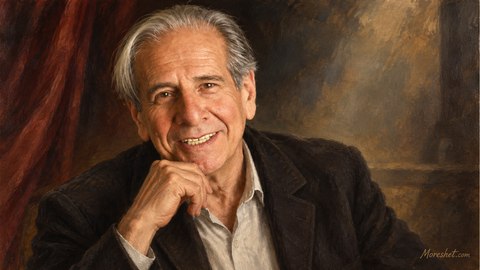
Samuel Zamach
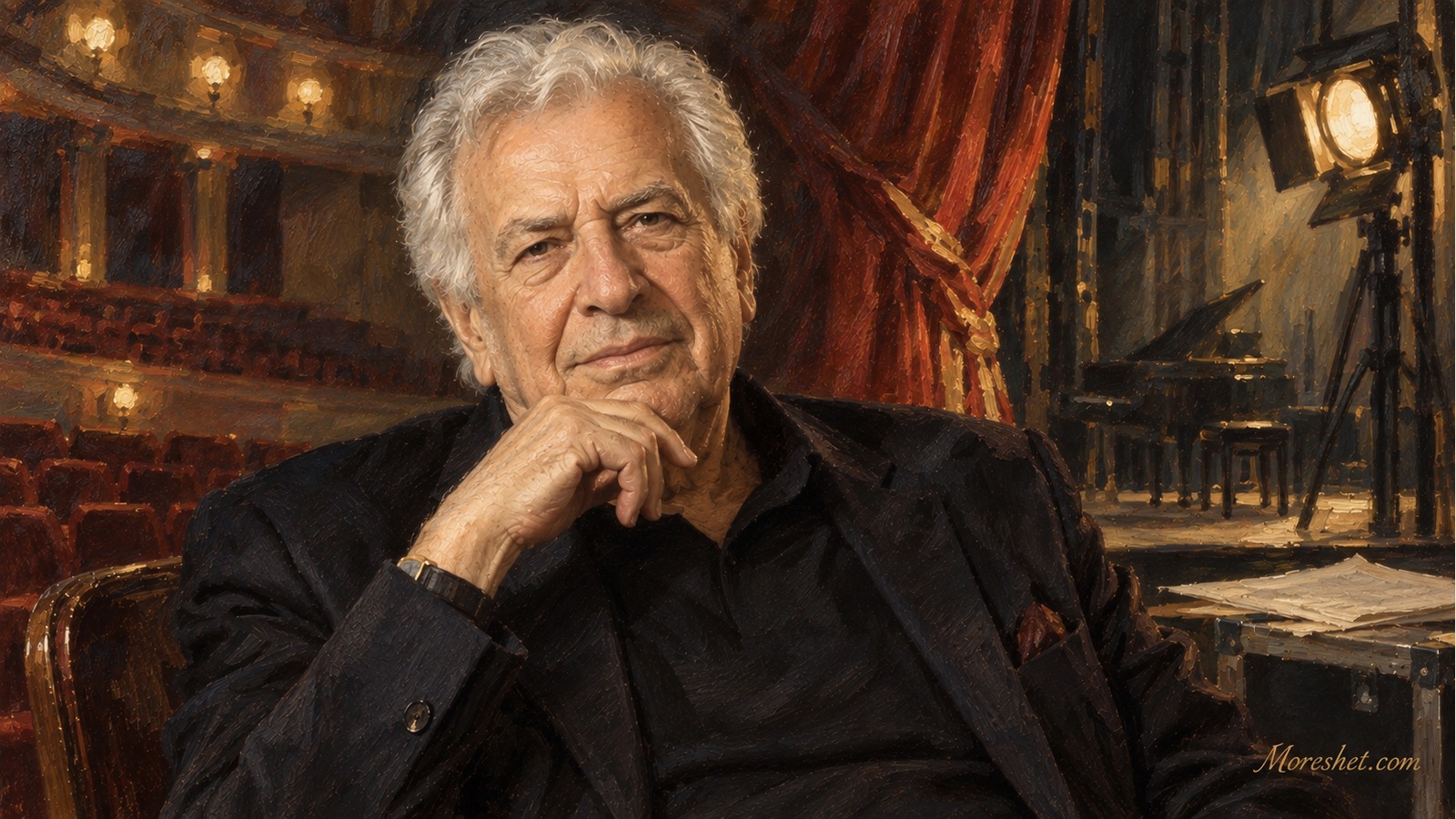
Samuel Zamach — AI-generated artistic portrait · Moreshet.com
A producer and impresario who helped shape Israeli live entertainment and musical theater
Samuel Zamach (May 21, 1932 – October 15, 2017) was an Israeli producer, impresario and cultural figure whose work helped shape the country’s public entertainment and performance culture. Beginning with dance festivals and cultural events in the 1950s, he went on to serve as a cultural representative in the United States, manage productions for the Karmon Ensemble, produce Hebrew-language musicals and become one of Israel’s leading producers of large-scale shows and stadium concerts.
Zamach’s contribution lay in the meeting point between artistic ambition and demanding practical organization. Through his productions, Israeli audiences encountered major works of international musical theater, professional dance performances and large public events. His career helped make live performance a central part of Israel’s cultural and social life.
Early Work in Festivals and Public Culture
Zamach was born in Petah Tikva, Israel. He began his career in the 1950s by organizing dance festivals and the Beersheba Festival. At a time when Israel’s cultural institutions were still developing, such work required initiative, logistical discipline and the ability to bring performers, production teams and audiences together.
These early events also helped extend cultural activity beyond the country’s established centers. Festivals and public performances offered broad audiences opportunities to experience dance and live entertainment, while giving organizers valuable experience in building events on a national scale. Zamach’s early work established the practical foundation for his later career as a producer and impresario.
A Cultural Representative in the United States
Zamach served for one year as Israel’s cultural representative in the United States. During that period, he organized celebrations marking the tenth anniversary of the establishment of the State of Israel. The assignment placed him within Israel’s early effort to present the young country through culture, performance and public celebration.
The work had significance beyond the successful staging of individual events. Cultural celebrations helped create connections between Israel, Jewish communities in the United States and wider American audiences. By presenting Israel through dance, music and live performance, Zamach participated in the country’s early cultural diplomacy and in the development of ties between Israel and the Jewish diaspora.
Dance, Theater and Hebrew Musical Productions
In Israel, Zamach served as production manager of the Karmon Ensemble. His work supported the complex process of bringing dance productions to audiences, coordinating artists, technical staff, venues and touring arrangements. The role demonstrated his ability to translate artistic programs into polished public performances.
He later produced musicals at the Guiora Godik Theatre. Among his notable productions were Hebrew versions of Fiddler on the Roof, My Fair Lady and West Side Story. These productions introduced Israeli audiences to important works of international musical theater while placing them within the Hebrew-language cultural environment.
Producing these works in Hebrew meant more than transferring words from one language to another. It made the stories, songs and theatrical experience more immediate for local audiences and integrated an international repertoire into Israeli cultural life. The productions helped establish musical theater as a popular and accessible form of Hebrew performance, leaving works from the international stage within the country’s shared cultural memory.
Pioneering Large-Scale Shows in Israel
After his work in theater and dance, Zamach became one of the prominent producers of large-scale shows in Israel. He produced major performances and brought artists and international-style entertainment to Israeli stages. He was subsequently regarded as a pioneer of stadium concerts in the country.
A stadium production demands much more than artistic programming. It involves large audiences, complex sound and lighting systems, logistics, security, marketing and close coordination among many professional teams. Zamach worked in this field as Israel’s entertainment industry expanded, helping establish the large public show as a significant cultural event.
His achievement was not simply the size of the events. By developing the professional capacity to stage major productions, he helped connect Israeli audiences with forms of entertainment previously associated primarily with large cultural centers abroad. His work strengthened the relationship between Israel’s developing entertainment industry and the international performance world.
A Legacy of Production and Cultural Connection
Samuel Zamach worked behind the scenes, but his influence was felt by performers, creators and audiences. From the dance festivals of his early career, through his cultural mission in the United States and his work in dance and musical theater, to the stadium shows that made him a leading impresario, he expanded the scale and reach of live culture in Israel.
His career crossed several cultural worlds at once: Israeli public culture, dance, musical theater and mass entertainment. He helped adapt international performance formats to Israeli audiences while contributing to the growth of a distinctly local Hebrew-language repertoire. The events he produced offered shared experiences to large audiences and helped make live entertainment part of the country’s cultural landscape.
Why this legacy belongs in Moreshet
Samuel Zamach merits inclusion in Moreshet because he played a sustained role in building Israel’s public cultural life. He organized festivals during the formative years of the state, represented Israel through cultural celebrations in the United States, supported professional dance, produced Hebrew versions of major musicals and helped pioneer stadium concerts in Israel.
His story preserves the contribution of producers and impresarios whose work is often less visible than that of performers, yet determines which artistic experiences reach the public and on what scale. Through theater, dance and large public shows, Zamach helped shape shared cultural memories for Israelis and connect local audiences with international culture. Moreshet.com records this legacy because his contribution belongs not only to the history of entertainment production, but also to the development of Israeli culture and its dialogue with the wider world.