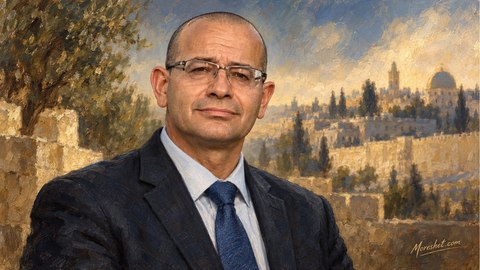
Josephus
The historian whose writings preserve an essential record of Second Temple Jewish life
Josephus, originally Yosef ben Mattityahu, was born in Jerusalem in 37 or 38 CE and lived until around the end of the first century. A Jewish commander during the revolt against Rome, he became a Roman captive and later wrote under imperial patronage. His choices have remained controversial, but the historical value of his work is immense. His books are among the essential surviving sources for the final generations of the Second Temple period and the destruction of Jerusalem.
A participant who became a historian
According to his own account, Josephus came from a priestly family and was familiar with the different currents of Jewish religious and public life. During the Great Revolt he held a command in Galilee. Captured after the fall of Jotapata in 67 CE, he later received the protection of the Flavian emperors and established a life in Rome.
This trajectory shapes the reading of his books. He knew the conflict through direct participation, but also wrote within a relationship of dependence on Roman power and with an interest in explaining his own conduct. His testimony is therefore exceptionally valuable while requiring critical comparison with other texts and archaeological evidence.
Preserving the story of the war
The Jewish War describes the background to the revolt and its devastating course, including the siege of Jerusalem and the destruction of the Temple. It preserves information about places, leaders, institutions and events that would otherwise be known far less fully.
Josephus also gives these events a dramatic narrative form, examining decisions, rivalries and the movement towards catastrophe. The speeches and scenes belong to the conventions of ancient historical writing. They should not be mistaken for modern transcripts, even when they convey an author’s understanding of a real conflict. This combination of evidence and literary construction is central to the work’s lasting interest.
Explaining Jewish history to a wider audience
Antiquities of the Jews presents an extensive account of the Jewish past, beginning with biblical traditions and continuing towards Josephus’s own time. Written for readers of Greek, it argues through narrative for the antiquity and depth of Jewish history. Against Apion responds more directly to hostile claims about Jews and defends their traditions.
His autobiographical Life adds an account of his own actions. Together, the surviving works form an unusually substantial literary inheritance from antiquity. They continue to support study of Jewish society under Roman rule and of the ways a Jewish author sought to explain his people within a larger Mediterranean culture.
Why Josephus belongs in Moreshet
Josephus belongs in Moreshet at Moreshet.com above all because of the historical knowledge he preserved. His writings make a formative Jewish world accessible across almost two millennia. Recognizing that contribution does not require accepting every claim he made or reaching a single judgment about his loyalties.
He is included although his conduct and public role have provoked sharply differing assessments. Inclusion acknowledges the significance of his influence without declaring it wholly positive or negative. The continuing debate itself forms part of the historical record through which Moreshet documents major figures in Jewish heritage.