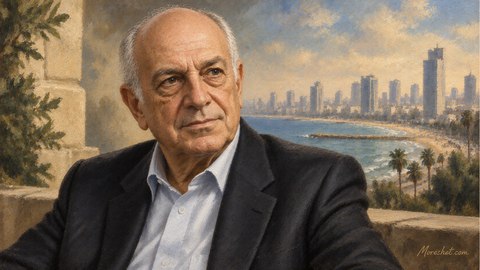
Arie Eiben
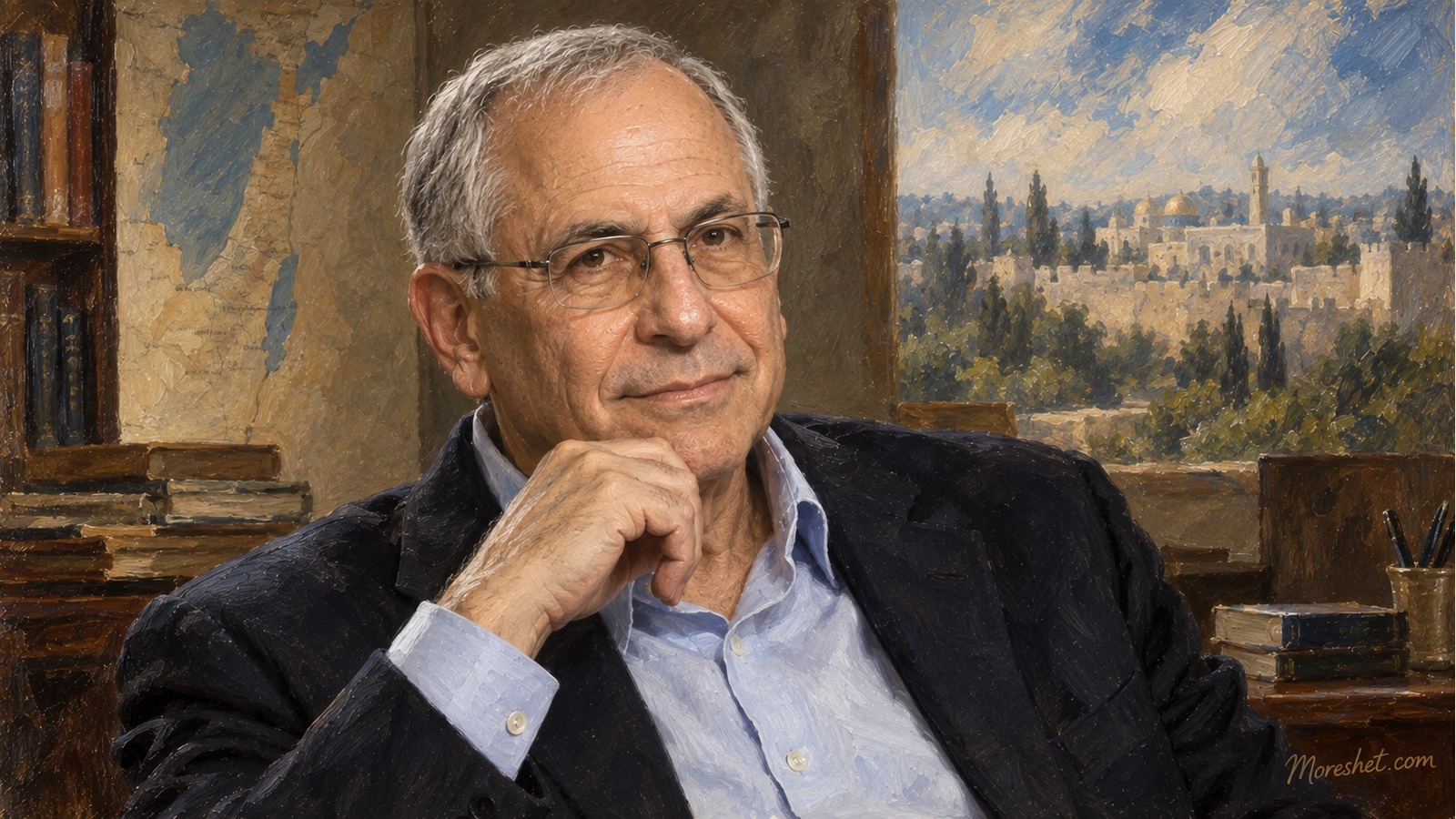
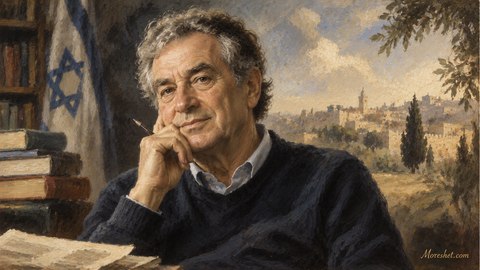
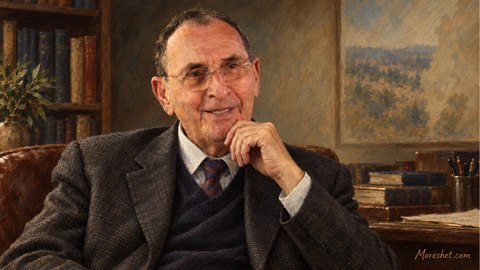
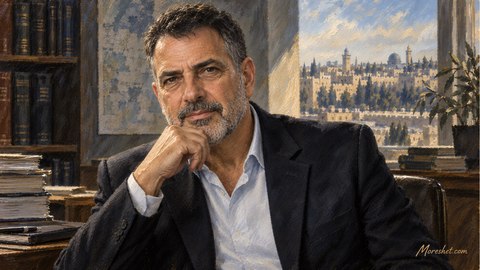
Arie Eiben — AI-generated artistic portrait · Moreshet.com
From a Kovno ghetto survivor to Israel Police Commissioner and ambassador
Arie Eiben (August 5, 1928, Kovno – June 19, 2013) was the eighth Inspector General of the Israel Police, a senior police commander, lawyer, and diplomat. His life traced one of the defining journeys of modern Jewish and Israeli history: survival in the Kovno Ghetto, immigration to Mandatory Palestine, service in the War of Independence, and decades spent building the institutions of the young State of Israel.
Eiben’s contribution was not limited to holding senior titles. Through field command, legal training, organizational leadership, and diplomatic service, he helped shape the police as a national institution. As commissioner, he oversaw the creation of the Central District, expanded police spaces and stations, strengthened police–community relations, and supported specialized approaches to property crime and rape investigations. After leaving the police, he represented Israel as ambassador to Liberia and Kenya.
From Kovno to Israel
Eiben was born in Kovno, Lithuania, as Leonid Aps. He survived the Holocaust in the Kovno Ghetto. In 1946 he immigrated to Mandatory Palestine and studied at the agricultural school in Nahalal. After graduating in 1947, he joined the Notrim, the Jewish settlement police force. When the War of Independence began, he served on the Jerusalem front, taking part at the outset of his career in the defense of the emerging Jewish state.
Building a professional police career
In 1948 Eiben joined the Israel Police. He attended the police force’s first officers’ course and graduated in August 1952 as its outstanding cadet. He was initially assigned to the Planning Department at national headquarters, a position that gave him an organization-wide perspective in addition to practical experience in the field.
He studied law while continuing his service. In early 1957 he received a law degree from the School of Law and Economics in Tel Aviv, and at the end of 1958 he was admitted to the bar. In 1957–1958 he served in a range of policing and investigative roles in the Tel Aviv District, including as district spokesperson. His combination of legal knowledge, investigative experience, and operational command became a defining feature of his later work.
In March 1959 he became deputy commander of the Northern Subdistrict of the Tel Aviv District, his first command position. He subsequently commanded all three of the district’s subdistricts: Ramat Gan from 1962, the Southern Subdistrict from late 1963, and the Northern Subdistrict—later known as the Yarkon Area—from early 1968. In October 1970 he was promoted to the rank of ניצב משנה, and toward the end of 1972 he became deputy commander of the Tel Aviv District.
From 1970 to 1972, Eiben served as president of the Israeli branch of the International Police Association. The position reflected his professional standing and connected Israel’s police service with an international network at a formative period in the country’s institutional development.
Command in the south and service during national events
In 1975 Eiben was appointed commander of the Southern District, which at the time also included the Jerusalem District. The role required him to manage policing, public order, and security responsibilities across a large and sensitive area.
In November 1977 he commanded “Operation Gate,” the security operation for Egyptian President Anwar Sadat’s historic visit to Israel. The visit marked a turning point in Israeli–Egyptian relations, and its protection demanded close coordination among security bodies, police, and civilian authorities. Eiben also dealt with demonstrations on the Ramot Road. In 1979–1980 he served as chief of staff of the Israeli delegation to the autonomy talks, overseeing logistical matters.
Commissioner: organization, community, and public service
On January 5, 1981, Eiben became the eighth Inspector General of the Israel Police. During his tenure, the Central District was established and additional areas and stations were created. These changes helped the police adapt to population growth and changing national needs while bringing public service closer to communities throughout Israel.
Eiben also worked to strengthen the relationship between the police and the public. During his tenure, Border Guard and Civil Guard patrols were deployed in their designated policing roles, and projects were introduced to prevent and investigate property offenses and to address rape cases. The emphasis thus extended beyond responding to incidents after they occurred to include prevention, specialization, and cooperation with the community.
Administratively, Eiben helped institutionalize rules for police promotion and established principles linking police salaries to those of career-service personnel in the Israel Defense Forces. These measures affected more than employment conditions: they supported the development of a professional, stable, and committed police workforce.
Public service and diplomacy after the police
After retiring from the police, Eiben joined Israel’s diplomatic service and served as ambassador to Liberia and Kenya. His move from commanding a major national security institution to representing Israel abroad demonstrated the breadth of his public experience and the confidence placed in his ability to serve the state internationally.
Arie Eiben died on June 19, 2013, and was buried at Kiryat Shaul Cemetery. The headquarters of the Yarkon Police Area commemorates his name. He was married to Yocheved, the daughter of Rabbi Haim Yehoshua Kosovsky, and they had two children. Their son Amir is a lawyer.
Why Arie Eiben belongs in Moreshet
Arie Eiben merits inclusion in Moreshet because his life connects several central chapters of Jewish and Israeli history: Holocaust survival, immigration to the Land of Israel, participation in the War of Independence, the construction of Israel’s police institutions, public service, and diplomacy. He represented a generation that transformed the experience of destruction and insecurity into the building of institutions dedicated to law, order, and public protection.
His practical legacy can be seen in the organization of the Israel Police: the establishment of the Central District, the expansion of police areas and stations, stronger community policing, specialized responses to property crime and rape investigations, and more structured systems for police promotion and service conditions. These achievements shaped how the state protected its residents and delivered a vital public service.
By preserving his story, Moreshet.com gives future readers access to the life of a public servant who worked at decisive moments—from the country’s formative years to its representation abroad—and to the institutional contribution that his career made to Israeli society and security.