Adiel (Adi) Amorai
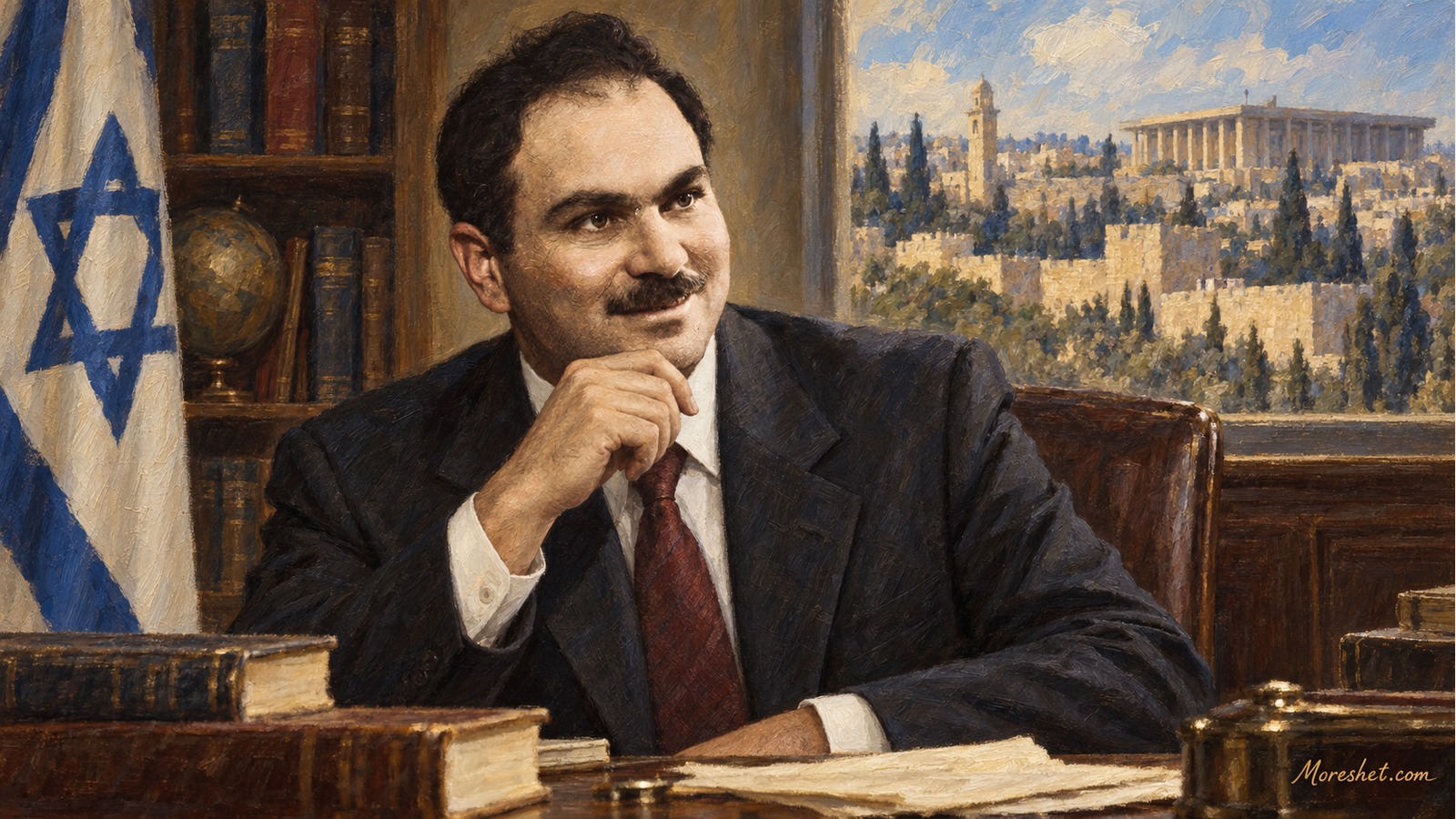
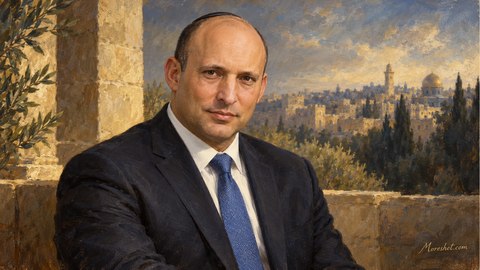
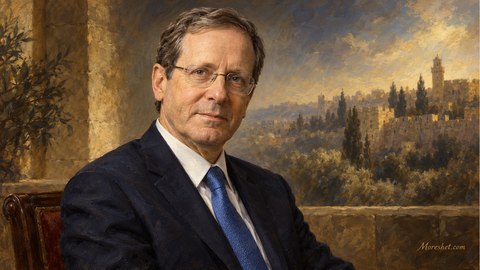
Adiel Amorai — AI-generated artistic portrait · Moreshet.com
The Israeli legislator and deputy finance minister who linked economic policy with stewardship of bank holdings, national infrastructure, culture and youth institutions
Adiel “Adi” Amorai (17 February 1934 – 29 September 2025) was an Israeli public servant and politician who represented the Alignment in the Knesset for nearly nineteen years, served as deputy minister of finance, and later led organizations central to Israel’s economy and civic life. His work ranged from parliamentary budgeting and oversight to the management of state-held bank shares, the Israel Electric Corporation, youth organizations, cultural bodies and a children’s medical institution.
Amorai’s career is distinguished by the link he forged between national decision-making and the less visible work of sustaining institutions. In the Knesset he dealt with budgets, economic affairs and government accountability. After leaving parliament, he assumed responsibility for sensitive public assets in the aftermath of Israel’s bank shares crisis and brought his experience to national infrastructure, film, music, youth engagement and healthcare.
From Rehovot to public service
Amorai was born in Rehovot during the British Mandate. His father, Yaakov Amorai, was a teacher and writer who became the fourth president of Israel’s Teachers’ Union. After the family moved to Tel Aviv, Adi attended Municipal High School A. As a young man he was active in the HaMahanot HaOlim youth movement and later in Ahdut HaAvoda–Poale Zion, experiences that introduced him to organized civic activity and the Labor movement’s approach to public responsibility.
Following his military service, Amorai studied economics, international relations and public administration at the Hebrew University of Jerusalem. That combination of disciplines prepared him for work at the intersection of policy, finance and government administration. Before entering parliament, he directed the interior minister’s bureau and served as spokesman for the Ministry of the Interior, gaining direct experience of government operations and public communication.
Nearly two decades in the Knesset
Amorai was first elected to the seventh Knesset in 1969 on the Alignment list, with Ahdut HaAvoda’s faction. He was returned to parliament in 1973, 1977, 1981 and 1984, serving through the eleventh Knesset. This long tenure gave him the institutional knowledge needed to work on subjects in which continuity, detailed scrutiny and sustained oversight mattered.
He served on the Finance Committee, the Economic Affairs Committee, the State Control Committee and the subcommittee responsible for the defense budget. These assignments placed him close to some of parliament’s most consequential work: allocating public resources, reviewing government expenditure, supervising national infrastructure and holding state agencies accountable.
Amorai also used economic and legislative tools to support Israeli culture. As a member of the Finance Committee, he worked to establish a film fund intended to encourage high-quality Israeli productions. The initiative helped treat cinema not simply as entertainment but as a public cultural field requiring durable institutions and access to financing.
Deputy finance minister in a decisive period
On 24 September 1984, Amorai was appointed deputy minister of finance, serving in Israel’s twenty-first and twenty-second governments. His tenure coincided with a decisive period for the Israeli economy, marked by severe inflation, stabilization efforts and the continuing consequences of the bank shares crisis. His position, together with his extensive Finance Committee experience, placed him at the center of government work involving budgets, financial markets and economic administration.
He was also entrusted with delicate political missions. In September 1985, Prime Minister Shimon Peres sent him to meet Rabbi Elazar Menachem Man Shach in an effort to explore political support for forming a narrower government. Amorai had met Rabbi Shach earlier that June, when the rabbi expressed support for the Jordanian diplomatic option. These assignments reflected Amorai’s ability to conduct discreet discussions across markedly different political and social constituencies.
Amorai resigned from the Knesset at the end of October 1988, with Uri Sebag replacing him at the beginning of November. His departure from parliament did not end his public service; it began a new phase centered on economic stewardship and institutional governance.
Managing bank shares on behalf of the public
From 1988 to 1991, Amorai served as both chairman and chief executive of M.I. Holdings, known in Hebrew as Nechasim M.I. The state company was responsible for handling bank shares that had come under government control following the bank shares crisis. This was a position of unusual public responsibility. Israel had to manage extensive financial holdings created by an emergency intervention, protect the public interest and establish an orderly framework for the future treatment of those assets.
No single official can reasonably be credited with the stability of an entire banking system. Amorai’s work nevertheless formed part of the institutional effort to convert the state’s crisis response into a structured process of management and oversight. His parliamentary and budgetary experience gave him a broad view of the obligations involved in administering assets held, in effect, on behalf of Israel’s citizens.
In later years he also chaired the investment committee of IBI Gemel Ltd. That position extended his involvement in investment governance and the supervision of financial decisions affecting long-term savings.
Industry, infrastructure and the Israel Electric Corporation
In 1992, Amorai served as director general of Israel’s Industrial Cooperation Authority. The authority operates where procurement, industry and economic cooperation meet, making it a natural extension of his combined experience in government and finance.
That same year he became chairman of the Israel Electric Corporation, a position he held until 1995. Electricity is among the most essential foundations of national life: hospitals, factories, schools, businesses and homes all depend upon a reliable supply. Chairing the board of an organization of this scale required oversight of a complex national system, attention to both public and economic needs, and decisions with consequences extending far beyond a single term of office.
Youth, film, music and children’s health
Alongside his political and economic responsibilities, Amorai devoted many years to organizations connecting young people and communities. He chaired the Council of Youth Movements from 1972 to 1984 and the Israel Youth Exchange Council from 1973 to 1984. These roles reflected an understanding that youth organizations are not peripheral activities: they are settings in which leadership, social responsibility and relationships across communities can develop.
His contribution to Israeli culture continued beyond his role in creating a film fund. Amorai served on the board of the New Fund for Cinema and Television, which has supported Israeli documentary and narrative work. Institutional backing of this kind matters because films record the languages, communities, memories and debates through which Israeli society tells its story.
From the early 2000s until his death, Amorai chaired the public council of the Israel Philharmonic Orchestra. In that civic role he helped accompany one of Israel’s most internationally recognized cultural institutions—an orchestra whose origins are bound to the rescue of Jewish musicians from Europe and the building of cultural life in the Land of Israel. He also served in the leadership of the public council of trustees of Schneider Children’s Medical Center, bringing his institutional experience to the relationship between healthcare, public leadership and community support.
A legacy of institutional responsibility
Amorai’s career illustrates a form of leadership that cannot be reduced to speeches or a single public title. He moved among parliament, the Finance Ministry, the management of state assets, national infrastructure and cultural and social organizations. At each stage, his work involved the mechanisms that allow a society to function over time: budgets, oversight, boards, public funds and civic councils.
The breadth of that service is central to his impact. Economic decisions and the administration of bank holdings touched public money and confidence in institutions. Leadership at the Israel Electric Corporation concerned infrastructure on which everyday life depends. His support for cinema and music strengthened Israeli cultural expression, while his work with youth movements and a children’s hospital connected national policy experience with community life.
Why this legacy belongs in Moreshet
Adiel Amorai merits inclusion in Moreshet because his career illuminates an important chapter in the development of the State of Israel’s institutions. He contributed to parliamentary and economic work during demanding years, accepted responsibility for state-held bank assets, chaired the board of a vital national utility, and supported organizations advancing Israeli film, music, youth engagement and children’s healthcare.
Moreshet.com preserves his story not only as the record of a longtime legislator, but also as an example of the connection between public service, economic expertise and institutional responsibility. His work affected systems that shape Israeli lives every day and cultural bodies that express and preserve Jewish and Israeli memory. His legacy demonstrates that a country is built not only through prominent moments of decision, but also through sustained, careful stewardship of the institutions on which its people rely.